6 Things You Need to Know About Renovating Your House

5 Types of House Extension
October 16, 2019
This guide will give you all the information you need about home renovation, including assessing your property, structure and design issues.
Renovating a house can be such an exciting venture. Being able to turn a property into something you have always dreamed of is such a rewarding feeling. Purchasing a property that needs a lot of TLC may give you the opportunity to have a home you otherwise wouldn’t have been able to afford if you bought it already looking spic and span.
You will need to prepare for what lies ahead and the obstacles that may stop you in your tracks in order to be successful in renovating your home.
How to Find a House Renovation Project
Buying a property to renovate can be an absolute gold mine or money down the drain. When buying certain properties, you can either end up making the property more valuable or losing money in the process. And may end up paying more than the property is worth and getting yourself into some serious money issues.
A renovation might look ideal at a first glance but may end up going wrong and knowing when to walk away is key.
An important thing to note is that before you even purchase a renovation project you can have the properties condition assessed beforehand.
Why is a schedule of works important?
This is essential to getting the project running smoothly. This helps you to set-in-stone every job that needs to be done in the correct order. Including who is doing what and knowing the costs will also help.
Here is a list of usually scheduled works for a house renovation but every list can look a little different depending on the property’s needs. A professional will be able to advise you on this.
- Current condition assessment
- Stop further decay
- Grants/Tax concessions
- Statutory consents
- Structural stability
- Demolition work
- Dealing with damp
- Drains
- Site access
- Major building work
- Weathertight
- Exterior
- External works
- First fix
- Plastering
- Drying out
- Fixed flooring
- Second fix
- Decorating
- Final clean
- Move-in
- Snagging
How to by a Renovation Project

Renovation projects can be sold at auctions or end up going to sealed bids or best and final offers. Knowing the process is very important if you want to be a successful bidder.
There are other additional costs, other than being a bidder, that should be taken into consideration before making an offer on a renovation project.
Here are a few:
- Council tax
- Legal costs: you should expect to pay around £500 – £2,000 for a solicitor or conveyancer to act of your behalf.
- Valuation fees
- Reconnection fees: at some point, you may need to connect/reconnect a water supply. Electricity will also be required for power tools and day-to-day living if you plan on staying on the site.
- Professional fees: these include planning permission and Building Regulation approval, structural engineering and any other professional fees.
- Contingency fund: having extra cash is important just in case you have any unexpected fees or expenses. When renovating a house these unexpected fees can come up at any time!
Is planning permission required?
There are a few consent checks to consider before starting a house renovation project.
- Listed building consent
- Planning permission
- Building regulations approval
If the property is a listed building or a conservation area you will require planning permission. To get this sorted you will need to contact your local planning department.
Checking whether the work will be affected by the Party Wall Act if you are building near the boundary of your house renovation is important as well, so this doesn’t affect getting the project done. There may be restrictions relating to the development of the property.
Do I need an Architect for my Renovation?
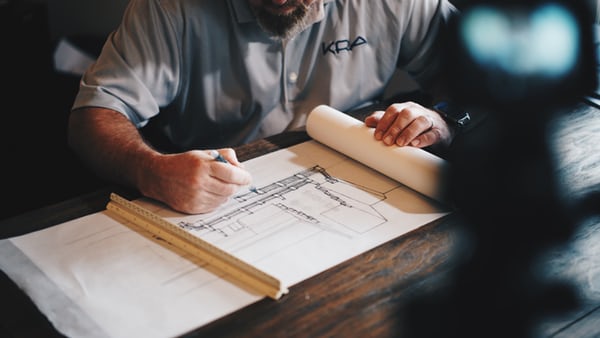
Once you have purchased the house and had the structural condition assessed you will then need to create a design for the renovation and any extensions that you have planned. Producing a design for an existing house isn’t as easy as it seems.
A good piece of advice would be to live in the house or spend some time there for a little while, if possible, to get a feel for what needs to be done and come up with a design. This could help you to identify many things such as, where the natural light comes through, the placement of your rooms or extensions and how the plans you make could suit your lifestyle.
Hiring an architect isn’t always necessary, and you will save money by coming up with the design yourself. A larger renovation project or projects on listed buildings may need the extra assistance of an architect.
A professional will be able to talk you through planning permission process, advise you on what will work with local planners, produce designs based on your brief and give you an idea of how far your budget will stretch.
Once you approve a design you can get started with the scheduling of the works to ensure that you are carrying out improvements in the most efficient and logical way.
If you are wanting to carry out a renovation without an architect then click here for more information.
How to save original features.
Incorporating the original features of a house into a new design can keep that much-loved character that drew you to the house in the first place.
When it comes to saving original features, the only downside is that not all renovation projects can survive the years of neglect. So, some original features may be damaged or missing. You need to find which ones are worth saving to avoid spending unnecessary money.
In order to retain the original character of your renovation project, there are certain features which you should pay attention to, including:
- Windows
- Floors
- Doors
- Fireplaces
- Original mouldings
- Roofs
- Timber beams
If you want to remove sections of the house, you may want to think about demolition work. Hiring skips will help you remove the waste. Private individuals can get rid of most waste for free at local authority tips, although asbestos will need to be dealt with separately.
In some cases, there are certain elements of a house that can be salvaged and reused. These items can be sold on to a salvage yard or stored away somewhere.
It is possible to sell salvage rights of large-scale demolition projects in which case some of the removal work may be undertaken by the reclamation yard — this can save you some time and effort and get you a little cash too!
There are many other blogs that can give you more information about starting your renovation project. We can also help you get started. Contact our team today to see what we can do.
Click here to read our previous blog posts for more construction and design tips!